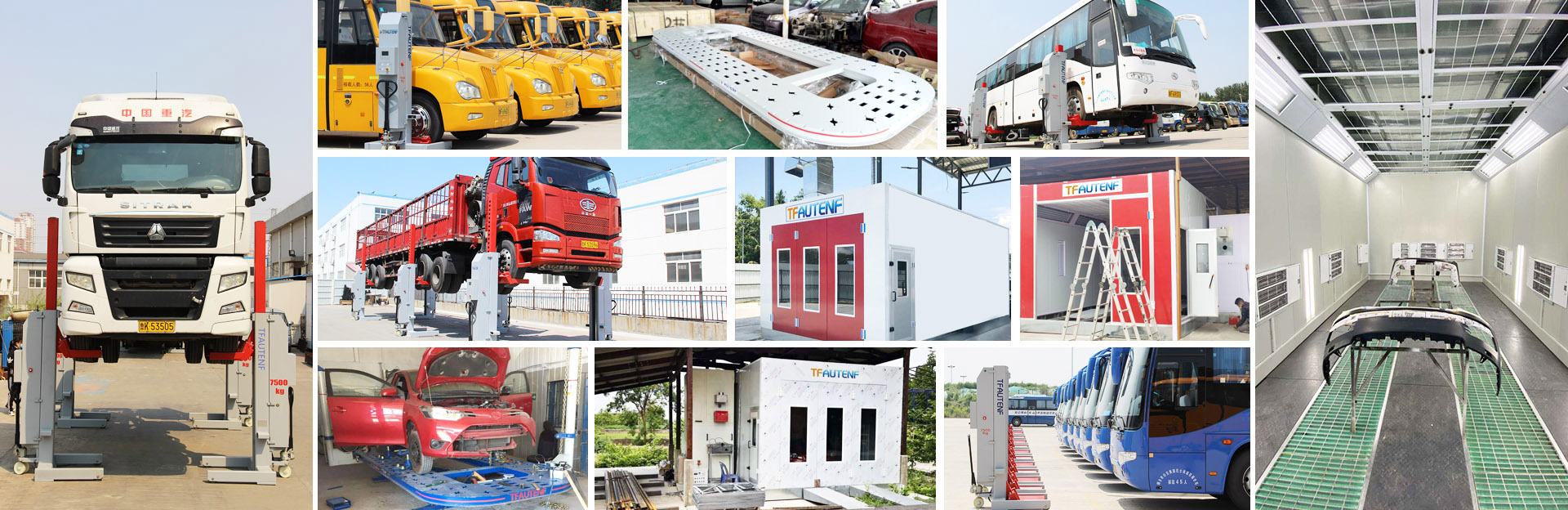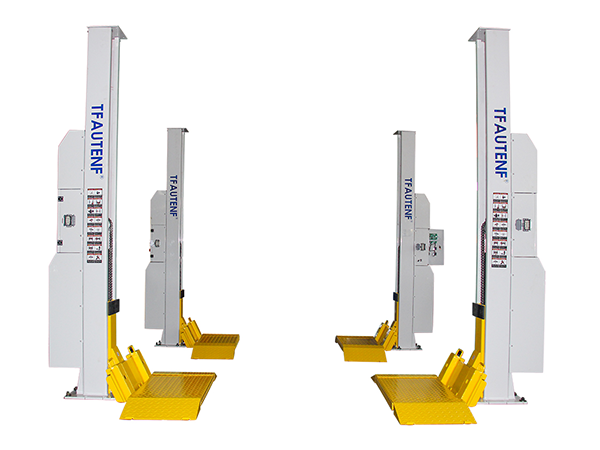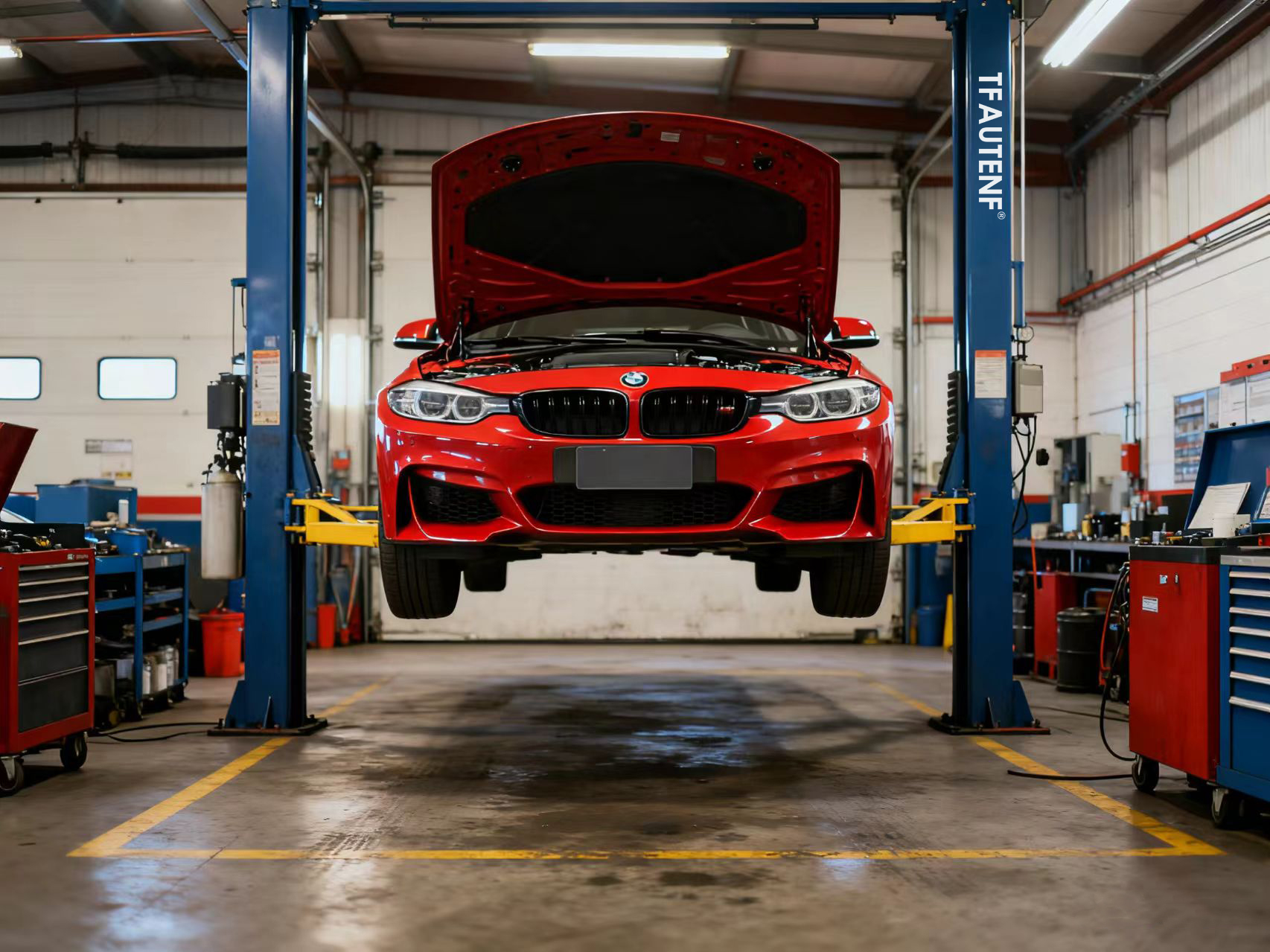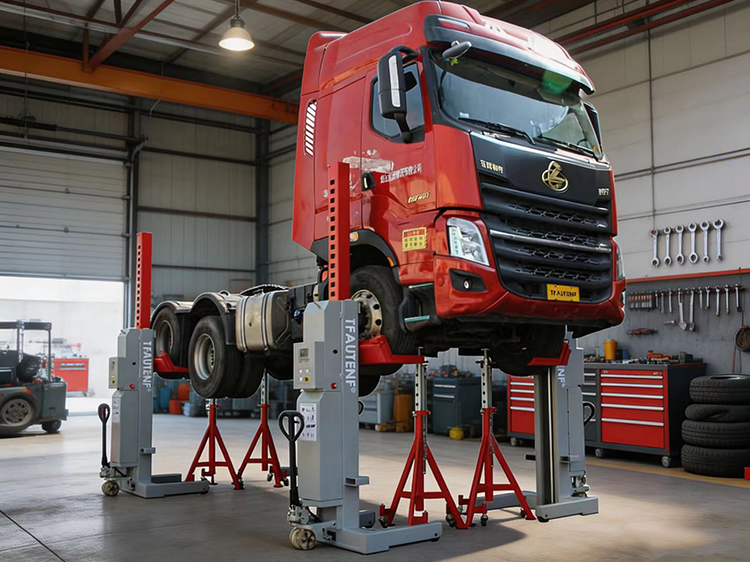
In heavy-duty vehicle maintenance, the lifting process is the first and most critical safety step. The rise of mobile wheel-engaging lifts is driven by a safety logic fundamentally different from traditional chassis lifting, rooted in mechanics and vehicle engineering principles.
1. A Fundamental Shift in Force Transfer Path
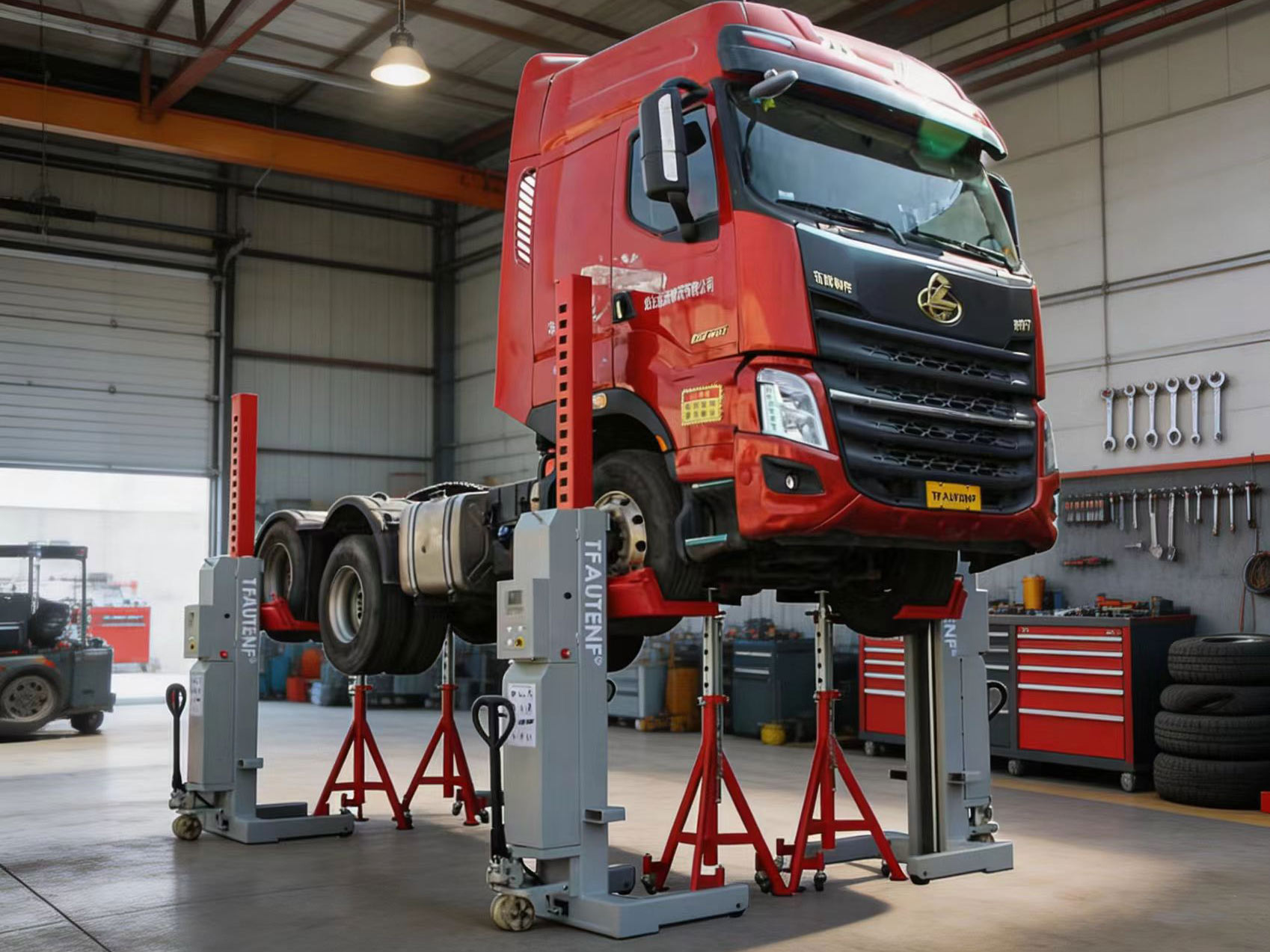
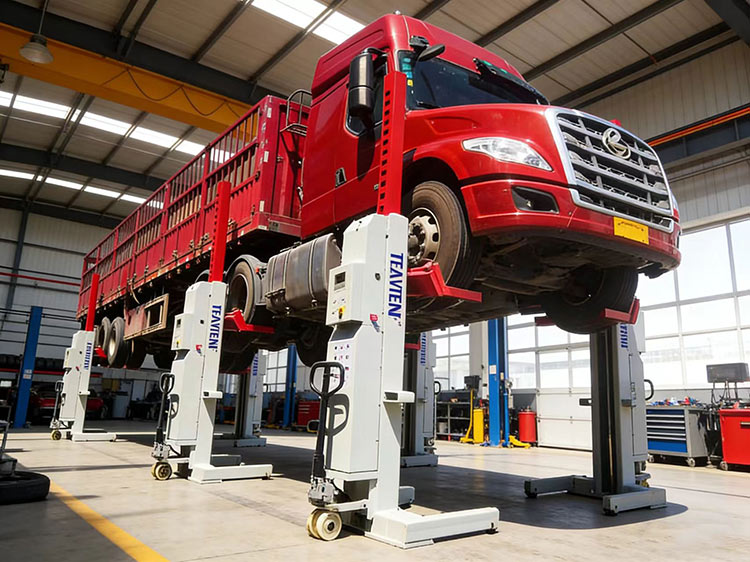
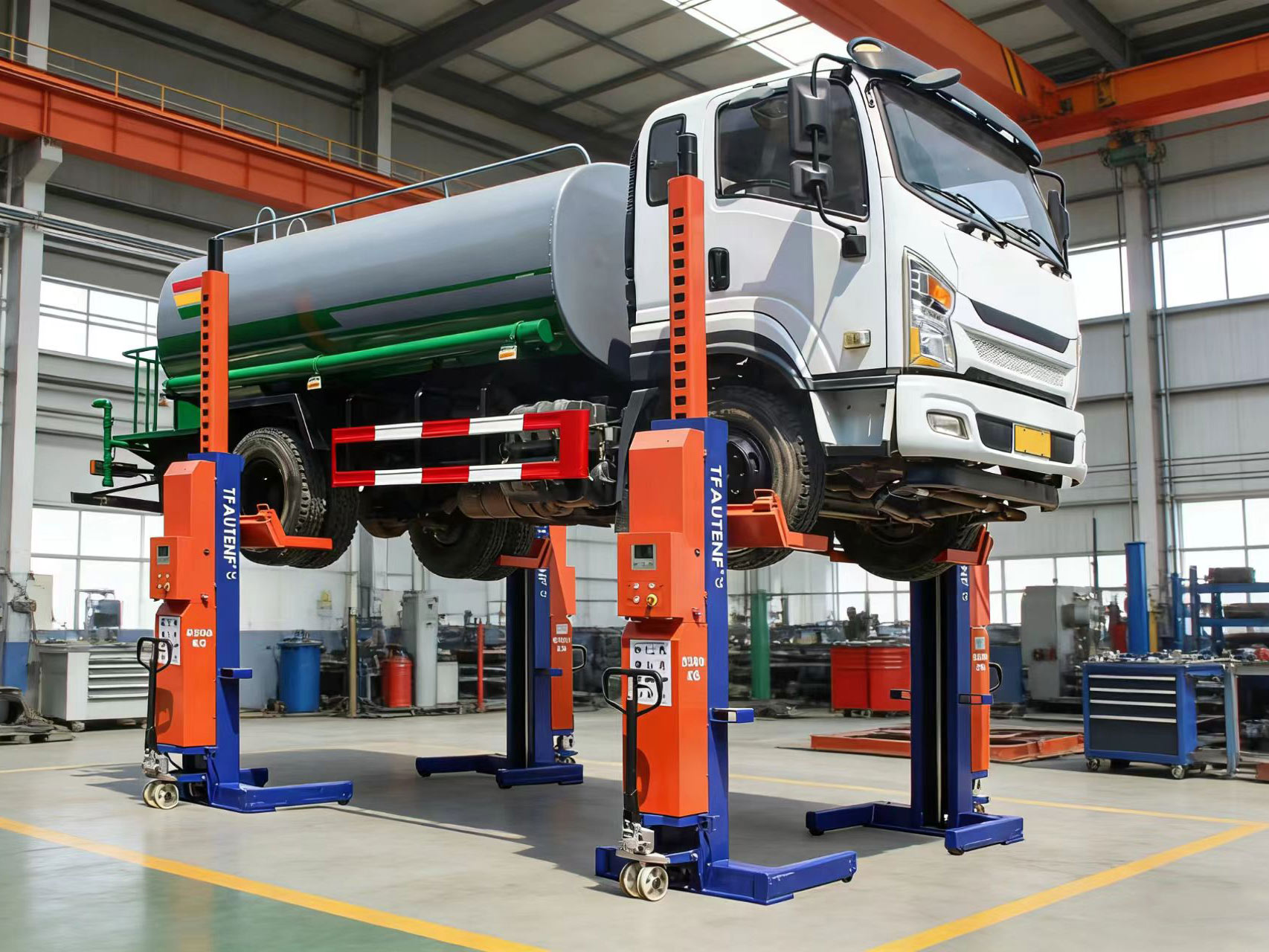
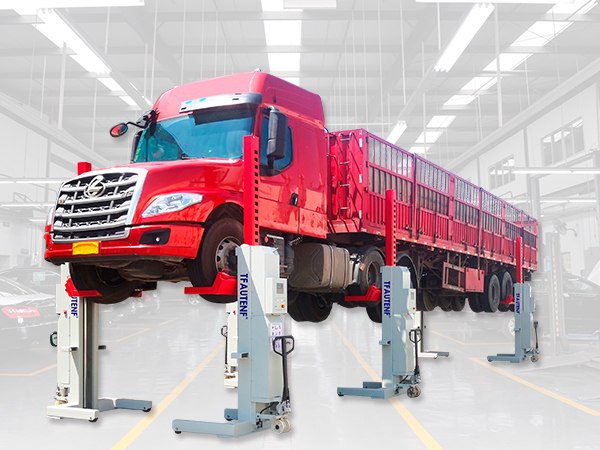
Traditional chassis lifting applies force at points on the frame or designated support points. This requires the operator to locate the manufacturer-specified lift points precisely; misplacement can easily cause localized frame deformation or component damage. The wheel-engaging design completely alters the force transfer path. It uses robust arms to clamp the tire's sidewall, transferring the lifting force directly and evenly to the wheel hub and axle assembly—the core load-bearing structure designed to handle vertical loads and impacts. This design physically avoids any direct contact with or pressure on the complex undercarriage structure, including lines, fuel tanks, and especially the battery packs of electric vehicles, eliminating the root cause of lifting-related undercarriage damage.
2. Enhanced Adaptability and Stability
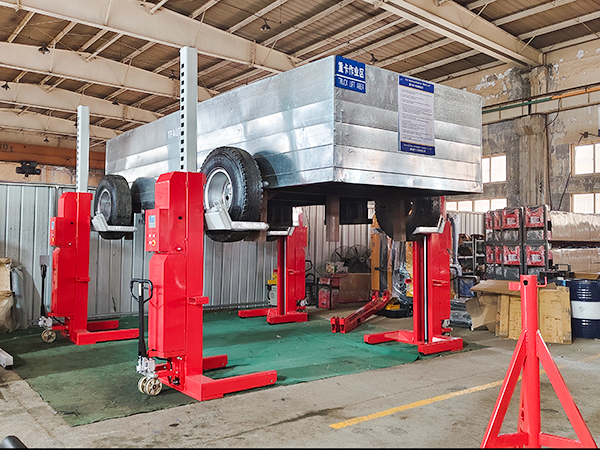
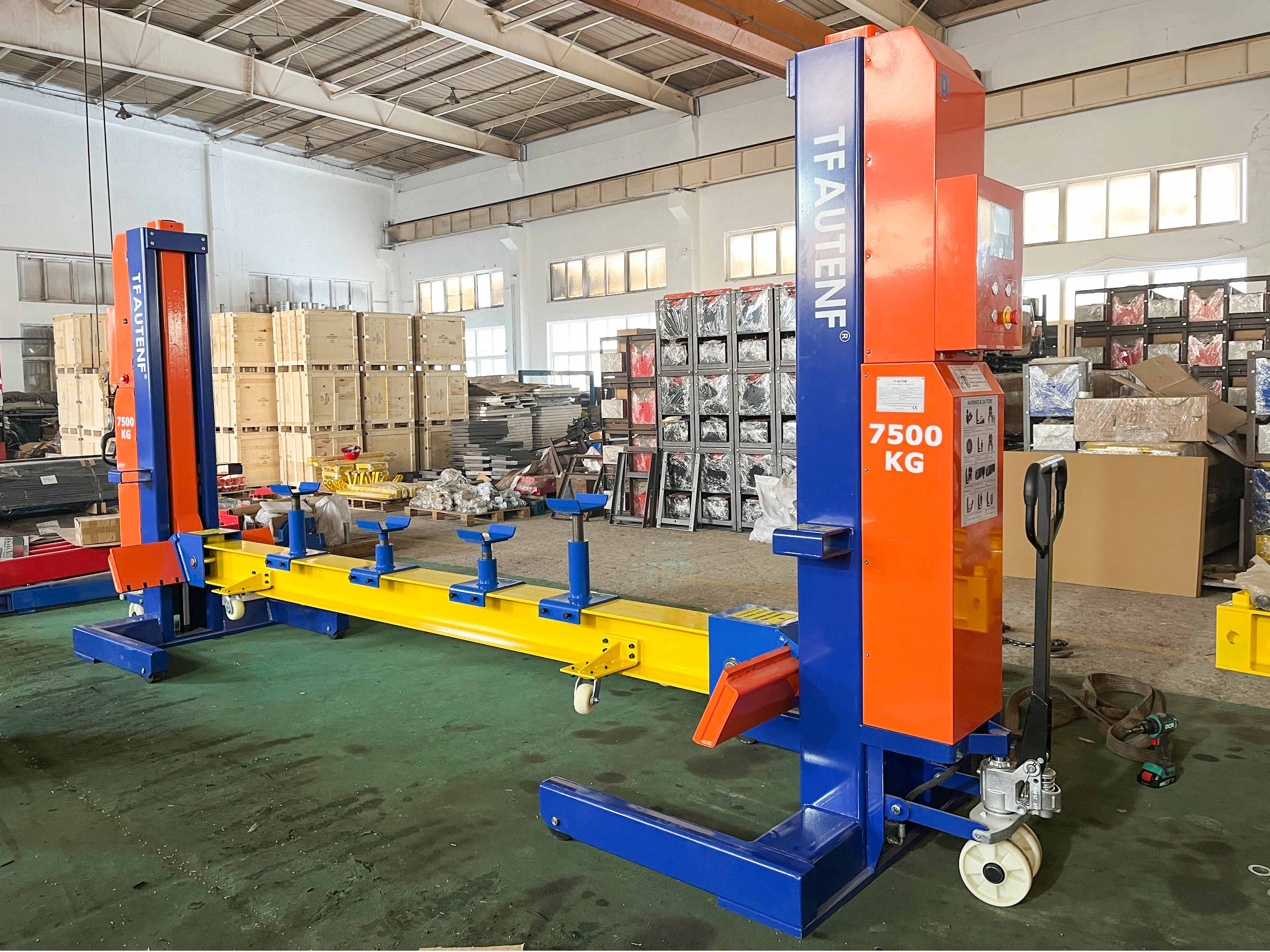
The tire-wheel combination inherently provides some adaptive cushioning. The engaging arms make broad contact with the tire sidewall, distributing clamping force over a larger area. This creates a more stable, surface-based support compared to the point or line contact of chassis lifts. Furthermore, the vehicle's suspension system can maintain a more natural posture during a wheel-engaged lift, reducing frame stress. The integrated dual insurance of mechanical and hydraulic locking systems then provides absolute static safety by physically locking the columns in place once lifted, preventing any accidental descent.
3. Synchronized Control and Active Protection
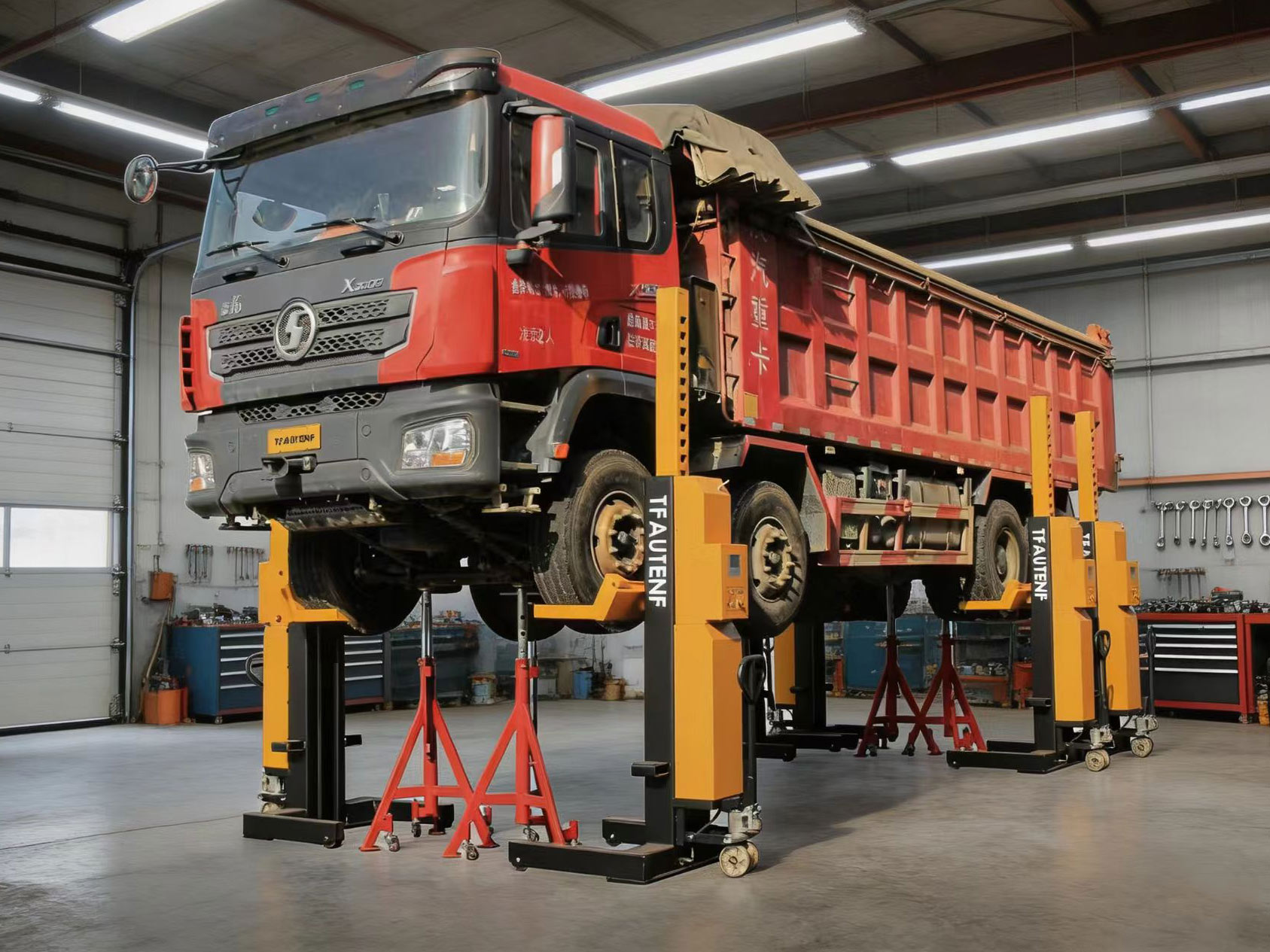
For lifting heavy trucks using multiple posts, synchronization precision is paramount for safety. Advanced mobile wheel-engaging lifts (such as those from yantai autenf automobile services., ltd) incorporate microprocessor-controlled synchronization systems. These systems monitor the height and pressure of each column in real-time, using algorithms to ensure the height difference between posts remains within a strict, millimeter-level safety threshold during operation. If imbalance, overload, or pressure loss is detected, the system actively initiates a shutdown, moving beyond reliance on operator experience. This "active intelligent protection," combined with the aforementioned "passive mechanical locking," creates a comprehensive safety net for both dynamic and static conditions.
Conclusion: Therefore, the safety of wheel-engaging lift technology is not merely a design improvement but a systematic re-engineering from the perspectives of force transfer principles, stability design, and intelligent control. This makes it a more scientific and reliable safety choice for modern heavy vehicles, particularly high-value electric trucks, during maintenance operations.