Stop Buying Lifts by Price Alone: 3 Critical Mistakes to Avoid
When purchasing auto lifts, many repair shops fall into the trap of focusing solely on price, which often plants the seeds of future safety hazards. As technicians at Yantai Autenf Automobile Services Co., Ltd. , we’d like to share three practical tips to help you choose the right equipment.
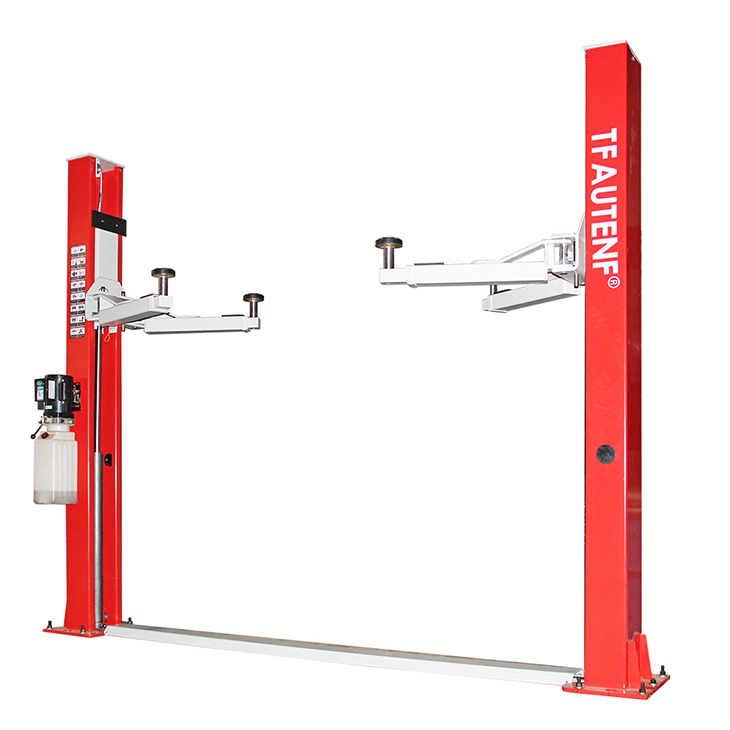
1. Beware of Floor Compatibility Issues
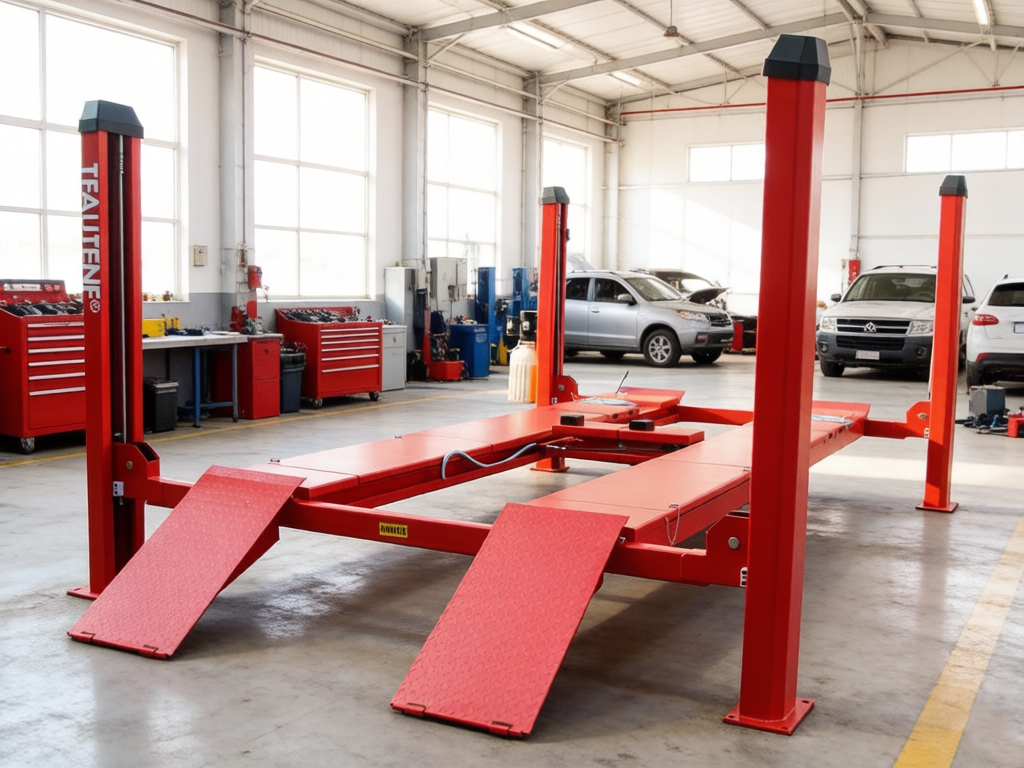
Two-post and four-post lifts have strict foundation requirements. The concrete thickness must be ≥25cm with a strength rating of C30. Installing directly onto thin epoxy flooring or old, weak slabs can cause expansion bolts to loosen. For workshops with limited ceiling height, we recommend prioritizing in-ground scissor lifts.
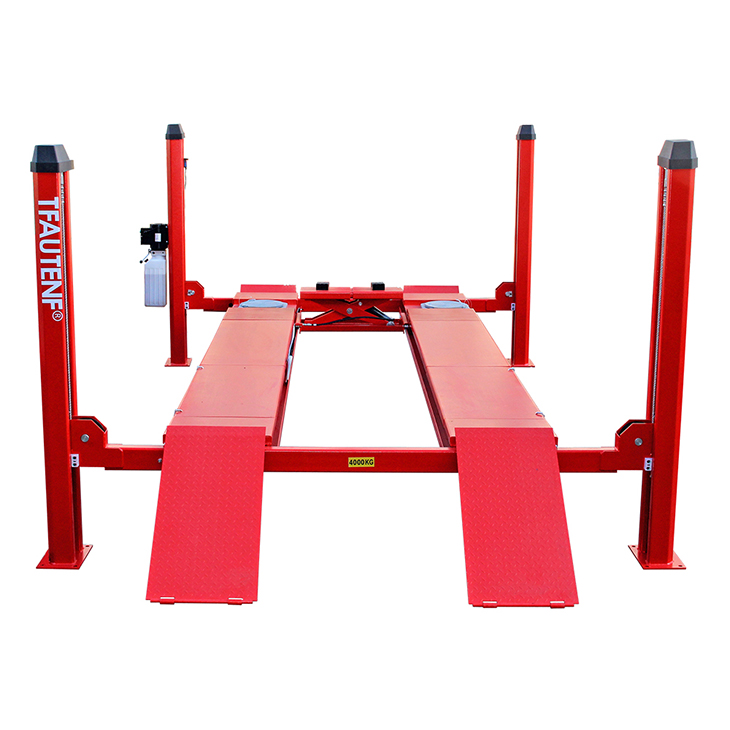
2. Don’t Be Fooled by “Inflated Capacity”
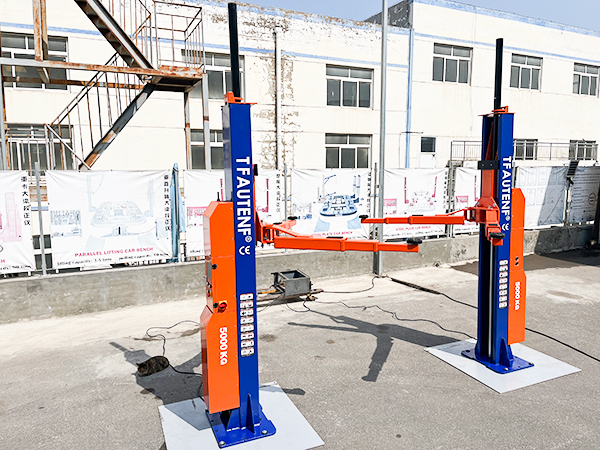
With the surge in weight from new energy vehicles (EVs) and long-wheelbase SUVs, it is wise to reserve a 1.5x safety margin when selecting a lift (e.g., choosing a 5-ton model for a 3-ton vehicle). Pay close attention to whether the hydraulic cylinders are mirror-finished and if the machine features dual mechanical/hydraulic safety locks—this directly impacts stability under heavy loads.
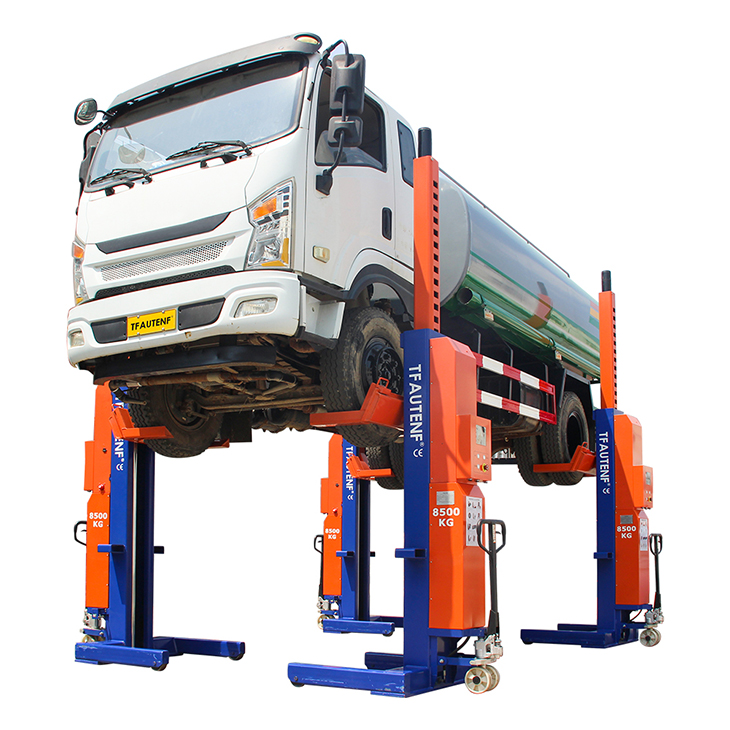
3. Match Efficiency to Your Scenario
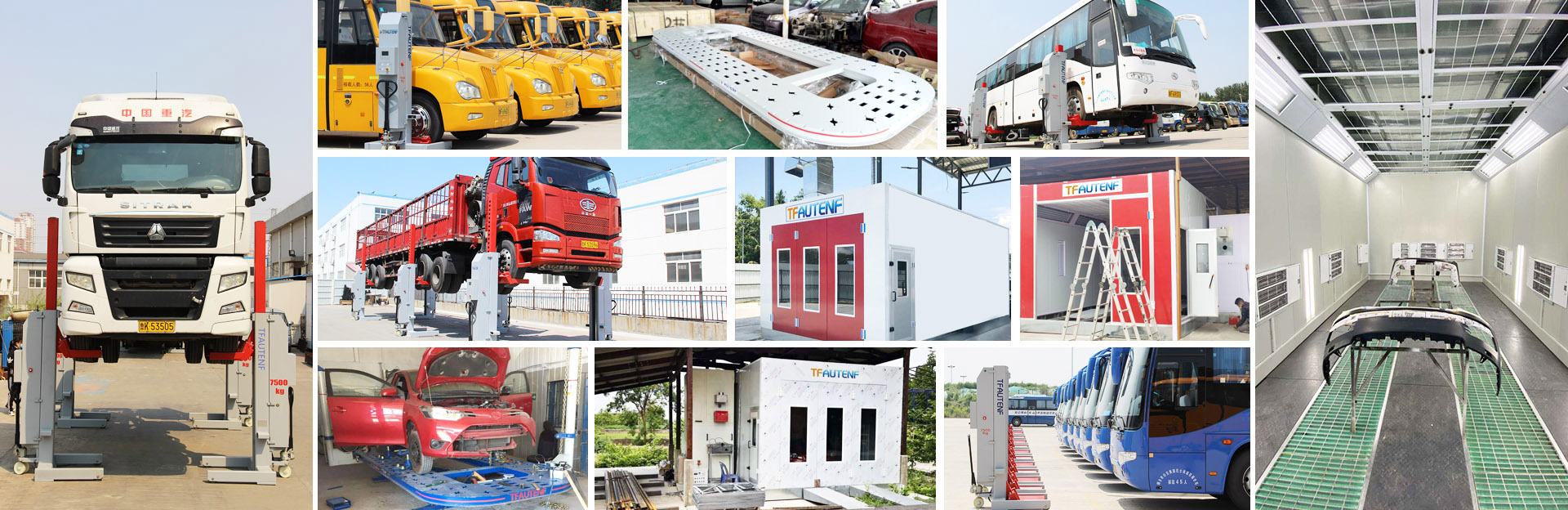
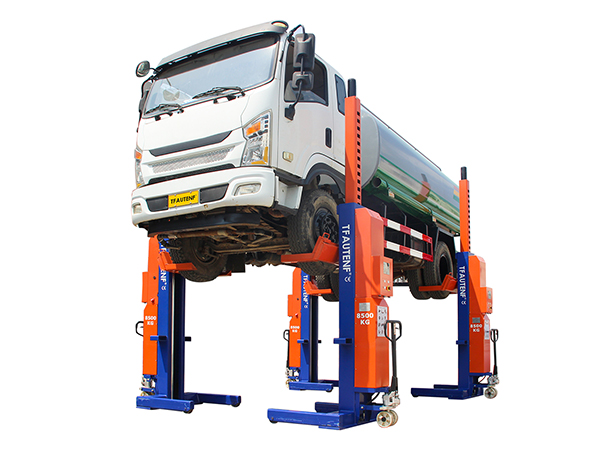
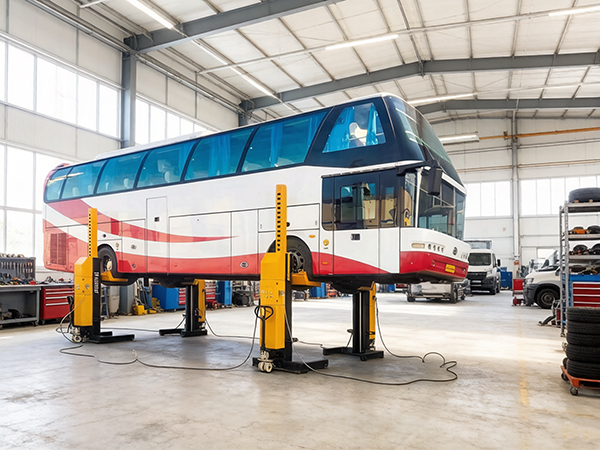
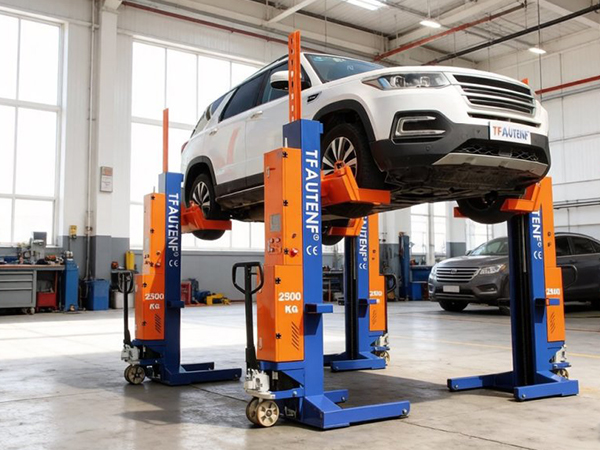
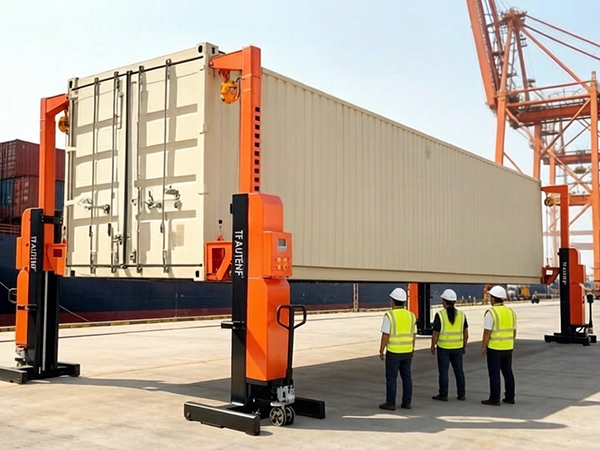
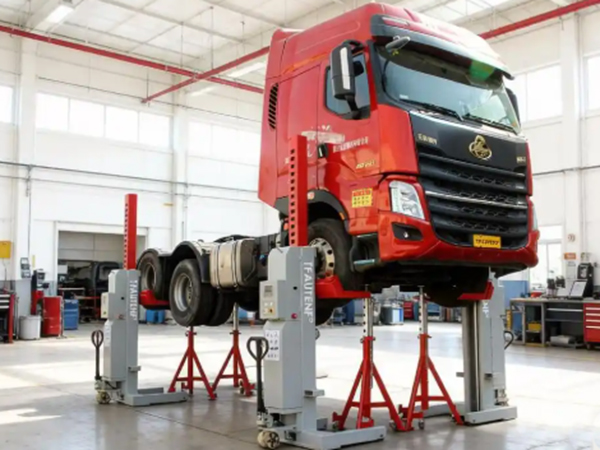
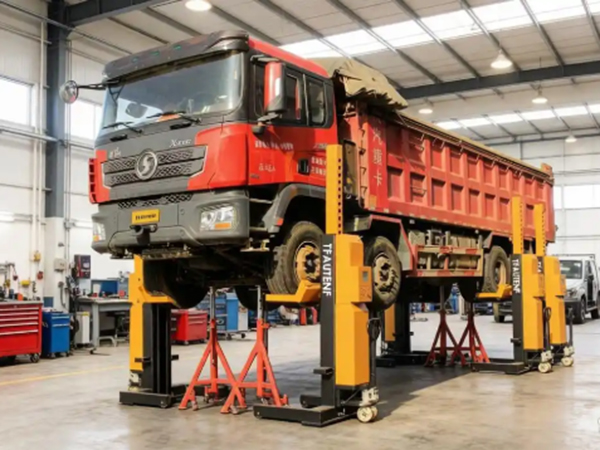
Tire shops or quick-service centers benefit from space-saving two-post lifts. However, for wheel alignment or heavy truck/wide-body vehicle repairs, four-post or tire-grip style lifts provide superior stability. If you work with special vehicles (like low-bed trailers), customizing the column spacing with a source factory is far safer than compromising with a standard model.
Equipment is a long-term asset; proper scenario matching and compliant installation are the keys to true cost-efficiency.